
Food photography – what’s the recipe?
A look back at an intensive food-photography workshop, with practical advice on lenses, natural and artificial light, tripods and styling a scene.
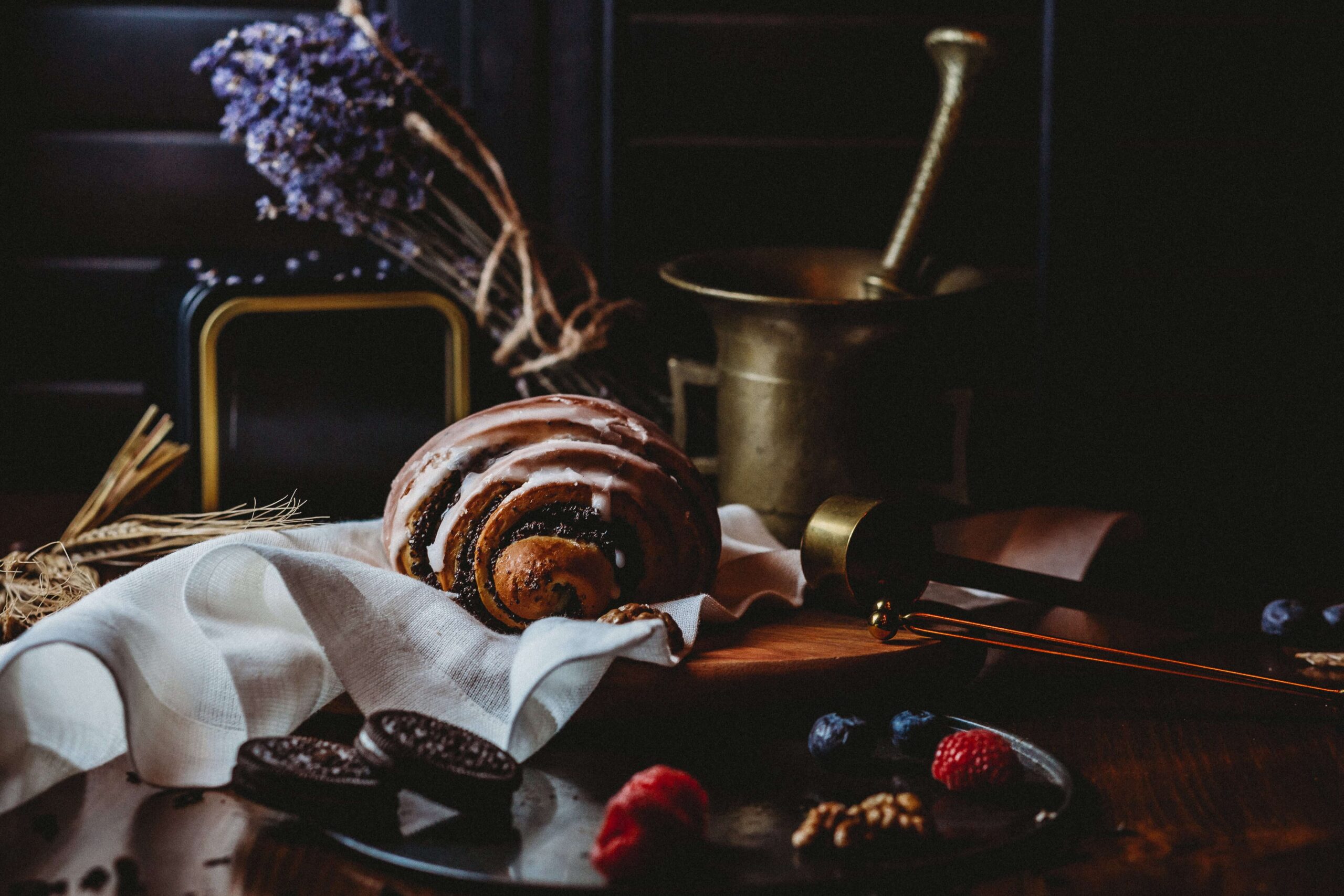
Take a look back at our intensive food-photography workshop!
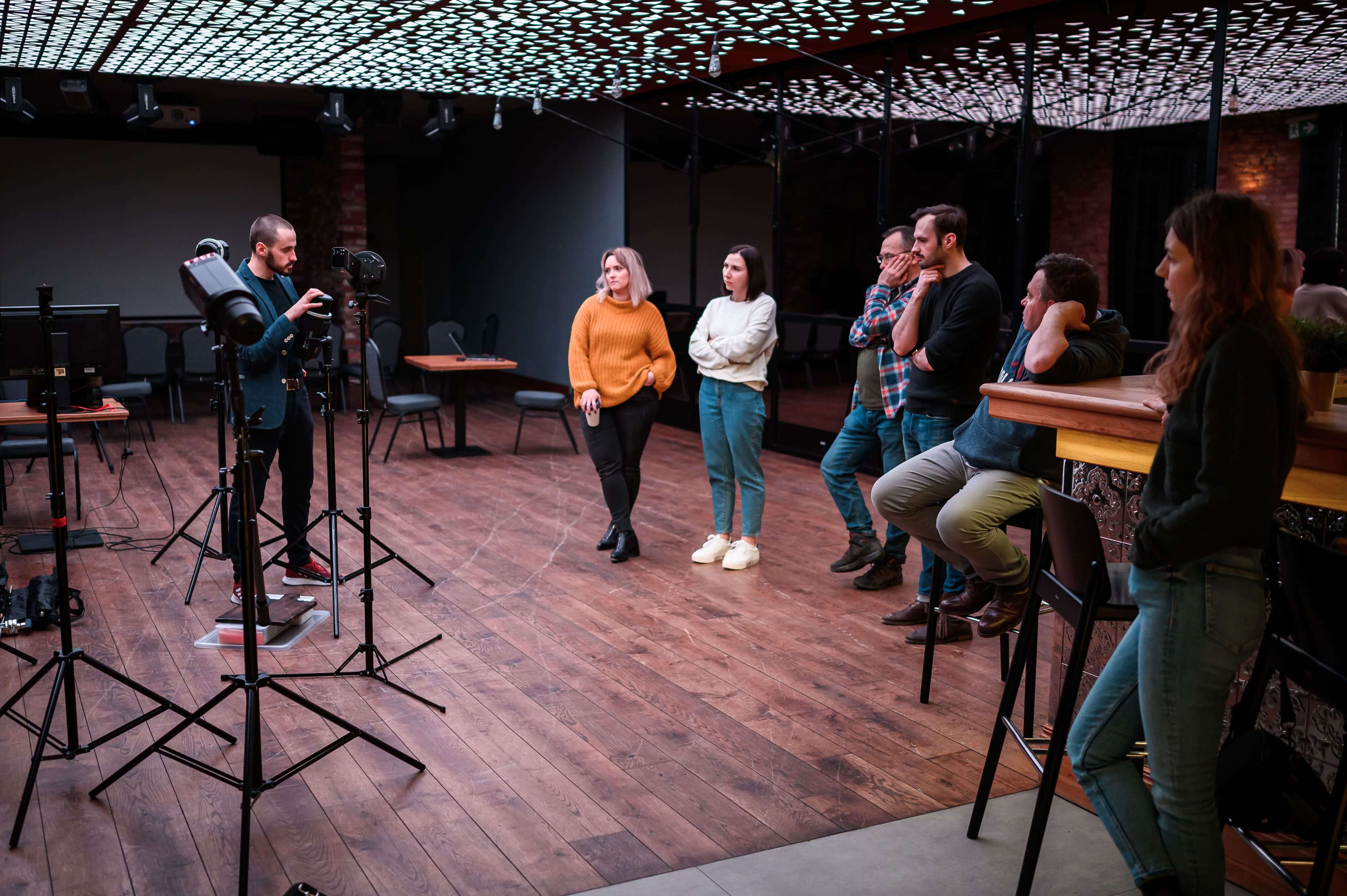
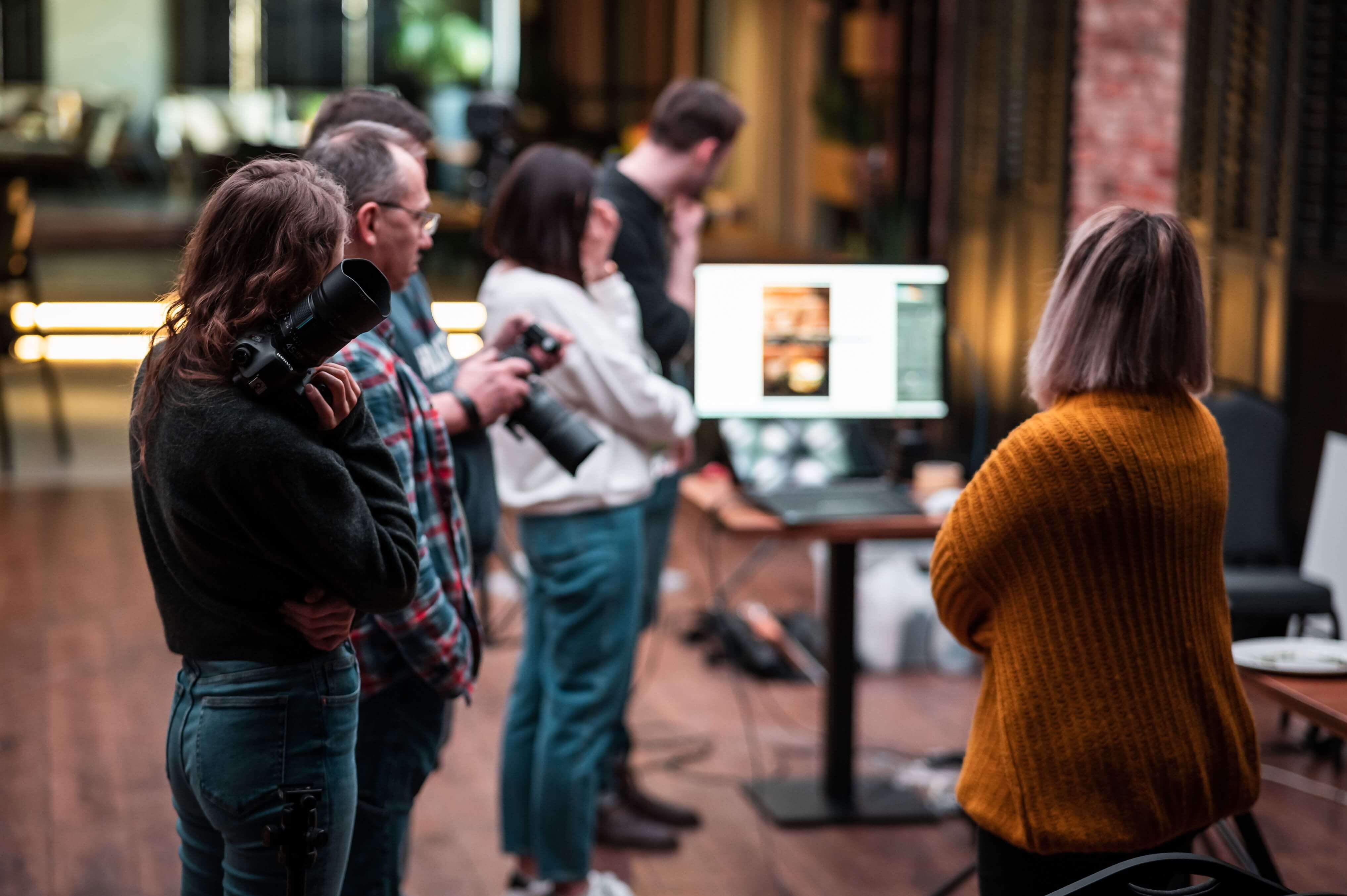
On 20 February 2021, an intensive food-photography workshop took place at Plac Nowy 1 restaurant in Kraków, organised by Next77, the exclusive Polish distributor of Irix Lens and Quadralite. Participants worked with different types of light and could discover which photographic style suited them best. Access to Irix lenses also made it possible to test manual focusing and evaluate their optical quality in this type of photography.
Key aspects of food photography
When photographing food, the image should stimulate not only sight but also the imagination of smell and taste. This requires knowledge of food styling, light and camera settings. Manual exposure helps avoid blown highlights and gives control over sharpness and detail. A low ISO reduces noise, while a monitor makes direct image review easier. RAW capture provides greater flexibility in post-production.
Choose aperture according to the required depth of field: a low value such as f/2.9 can blur the background, while values around f/6.3–f/8 retain more of the scene in focus. For the best image quality, keep ISO as low as practical and compensate with an appropriate shutter speed.
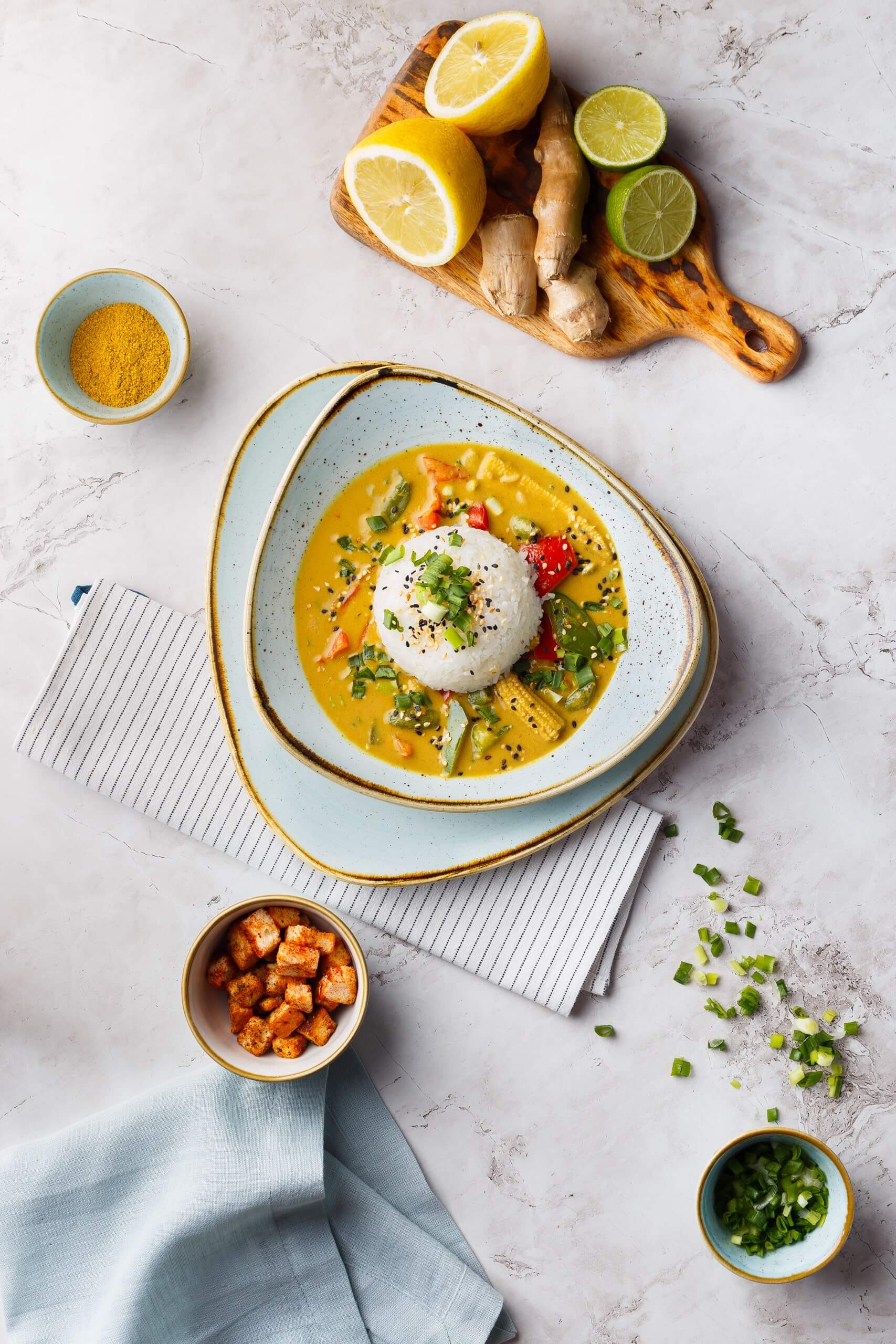
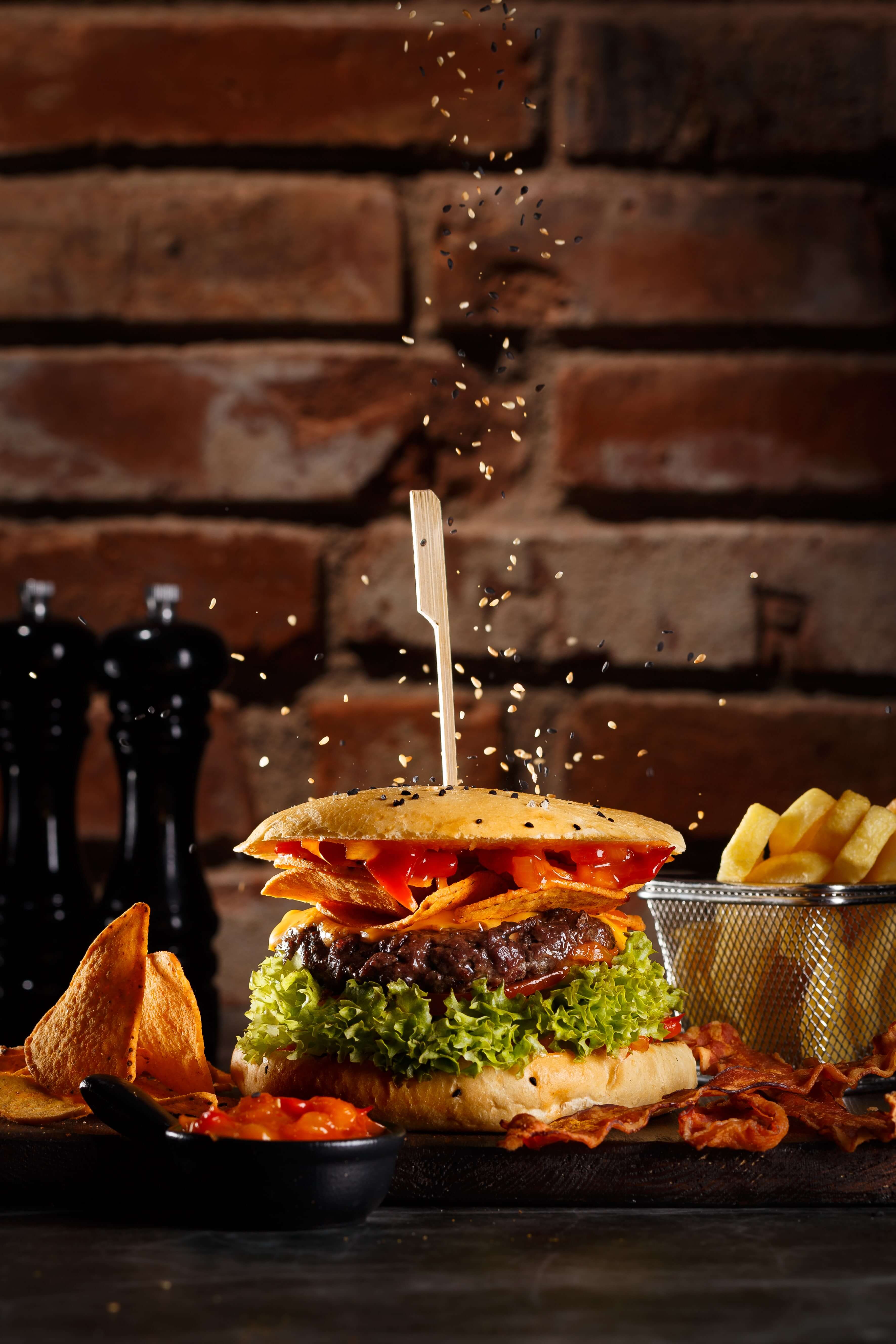
Which lens should you choose?
Manual-focus Irix lenses offer precise control in low light and with low-contrast subjects. The right focal length depends on the composition, but roughly 50–150 mm is a useful range for many food scenes because it preserves natural perspective without excessive distortion. A kit lens can work, although fast primes and macro lenses are especially useful.
The Irix 45mm f/1.4 is a strong standard-lens option, while the Irix 150mm f/2.8 Macro is ideal for very small details. A wide-angle lens can complement the set when you want to show a table setting or several dishes at once. The Irix 15mm f/2.4 provides a wide field of view while correcting optical defects such as distortion and aberrations effectively.
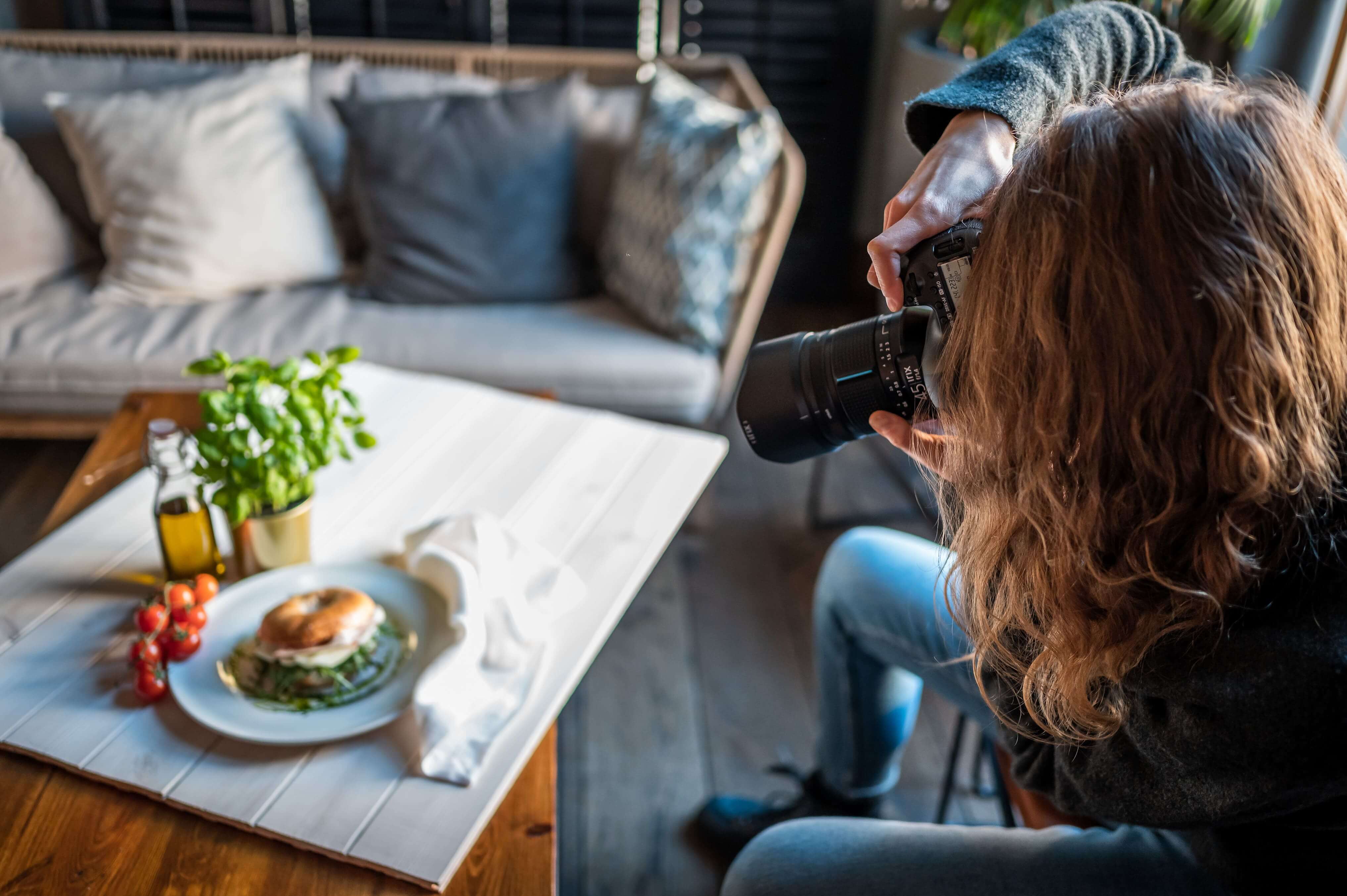
Natural light
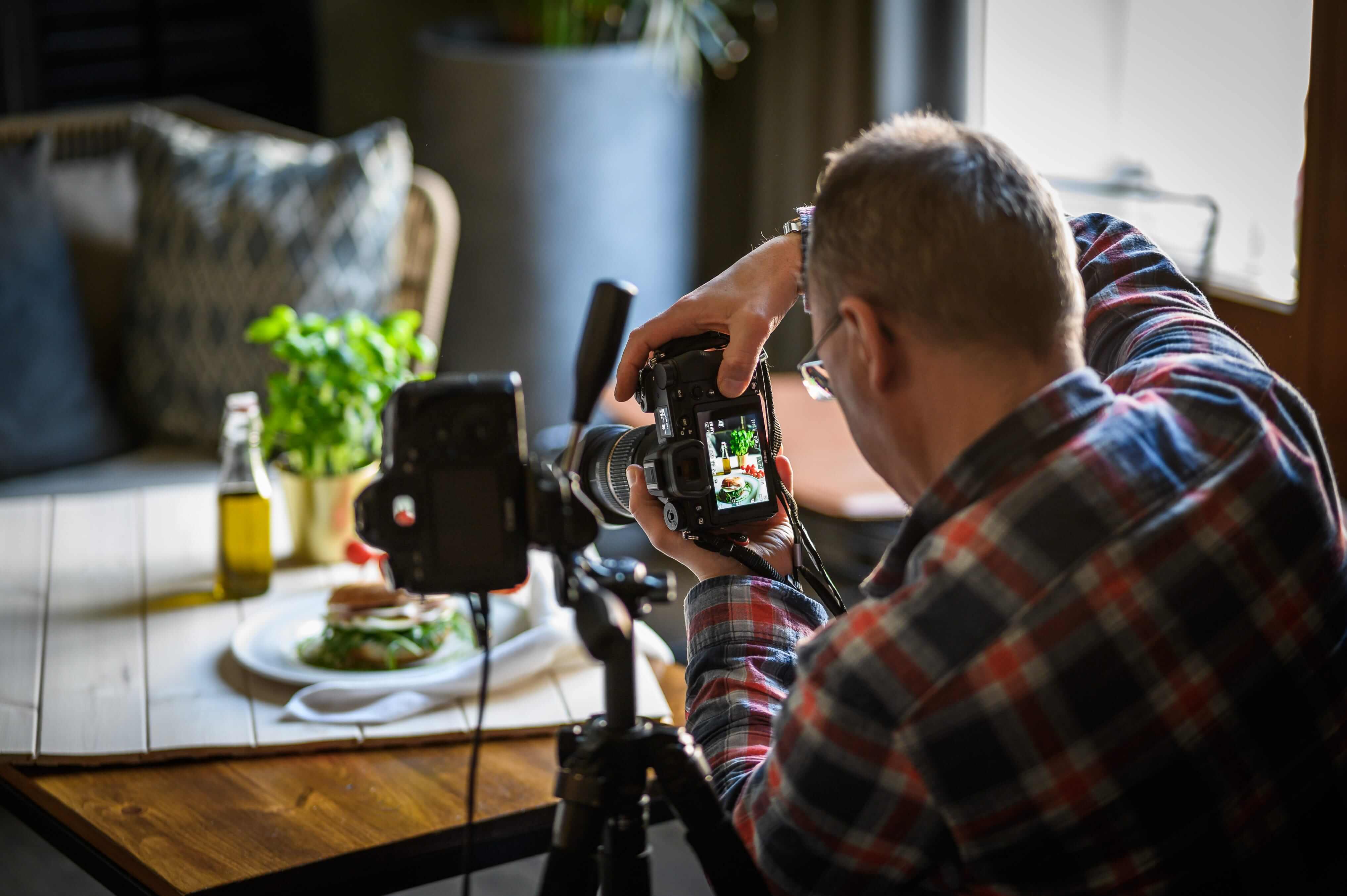
When working with daylight, reflectors, foam board or card can be used as white reflective surfaces or black negative fill to control the light. Side light from a window often creates an attractive shadow pattern; the opposite side can be brightened with a white reflector or darkened with a black surface. A diffusion panel can soften harsh daylight.
Even a smartphone can be used with available light, although interchangeable-lens cameras provide more creative control.
Artificial light – flash or continuous
Daylight is not always available or predictable, so artificial sources can provide greater consistency. Continuous lights such as Quadralite VideoLED can be fitted with a large softbox to create soft, flattering light. Additional diffusion can make the effect resemble daylight. Multiple lamps, different modifiers and flags can be combined to shape shadows and create the desired atmosphere.
An important accessory – the tripod
A tripod keeps the camera steady and helps avoid blur. It also fixes the framing, which is particularly useful while arranging a food scene. With available light, a tripod makes long shutter speeds practical, so you can maintain a low ISO and maximise image quality.
Props help create an attractive scene
A carefully chosen cutting board, tableware, cutlery and colour-coordinated napkins can transform a composition. These small elements build the atmosphere of the image and help create a harmonious frame that makes the food look appealing. Food photography is not only about technical camera skills; aesthetic sensitivity, creativity and enjoyment are equally important.
Wake up your imagination for appetising frames with Quadralite and Irix!
Follow us online and on social media: