Flat lay – a creative blend of product and lifestyle photography
Learn how to create attractive flat-lay photographs: choose a background, work with color, composition, props and light, and edit the final image.
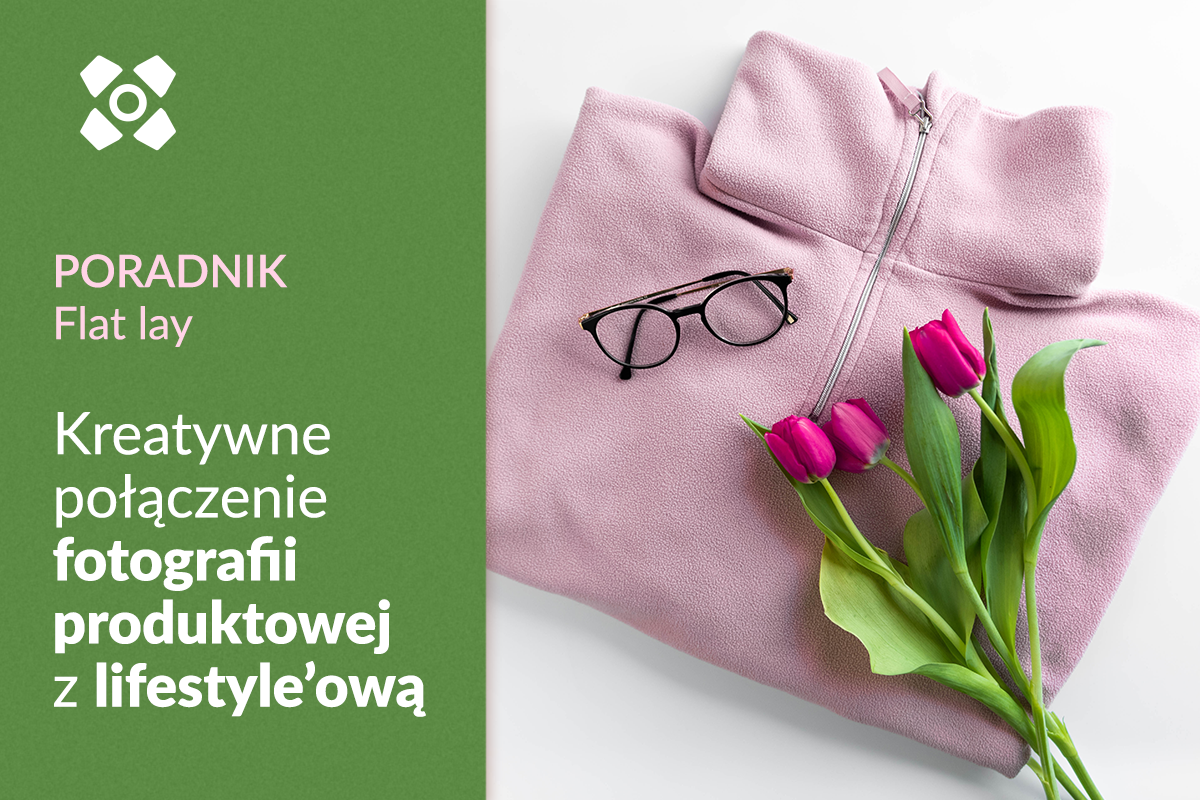
Learn how to create creative flat-lay photographs.
Flat lay is designed to please the eye and build a mood around a product. It works especially well for food, cosmetics, books and social-media content.
What is flat lay?
The term combines “flat” and “lay”. Objects are arranged on a flat surface and photographed directly from above. Unlike a purely technical product shot, flat lay relies strongly on styling and creativity.
Choose the right background and surface
Start with a simple background. White, black, paper, wallpaper, a table or even the floor can work. Photograph from above; if necessary, use a stable step or chair.
Remember the props
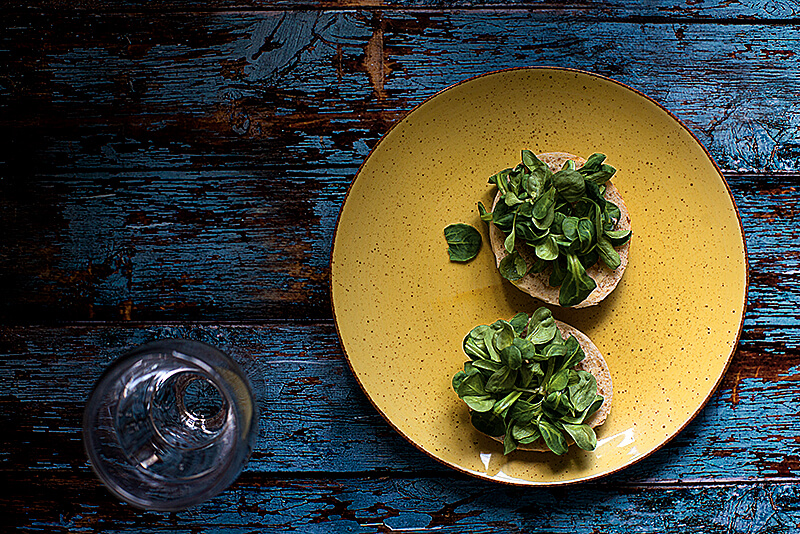
Add objects that support the main subject, but do not overcrowd the frame. Begin with a few elements and add or remove them until the composition feels balanced.
Use the color wheel
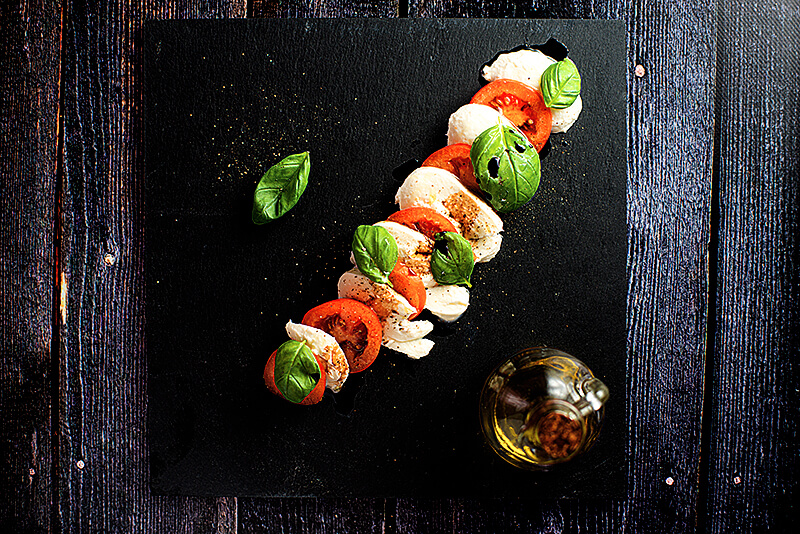
Colors should work together. Contrast light elements against dark backgrounds and vice versa, and use complementary or harmonious color relationships.
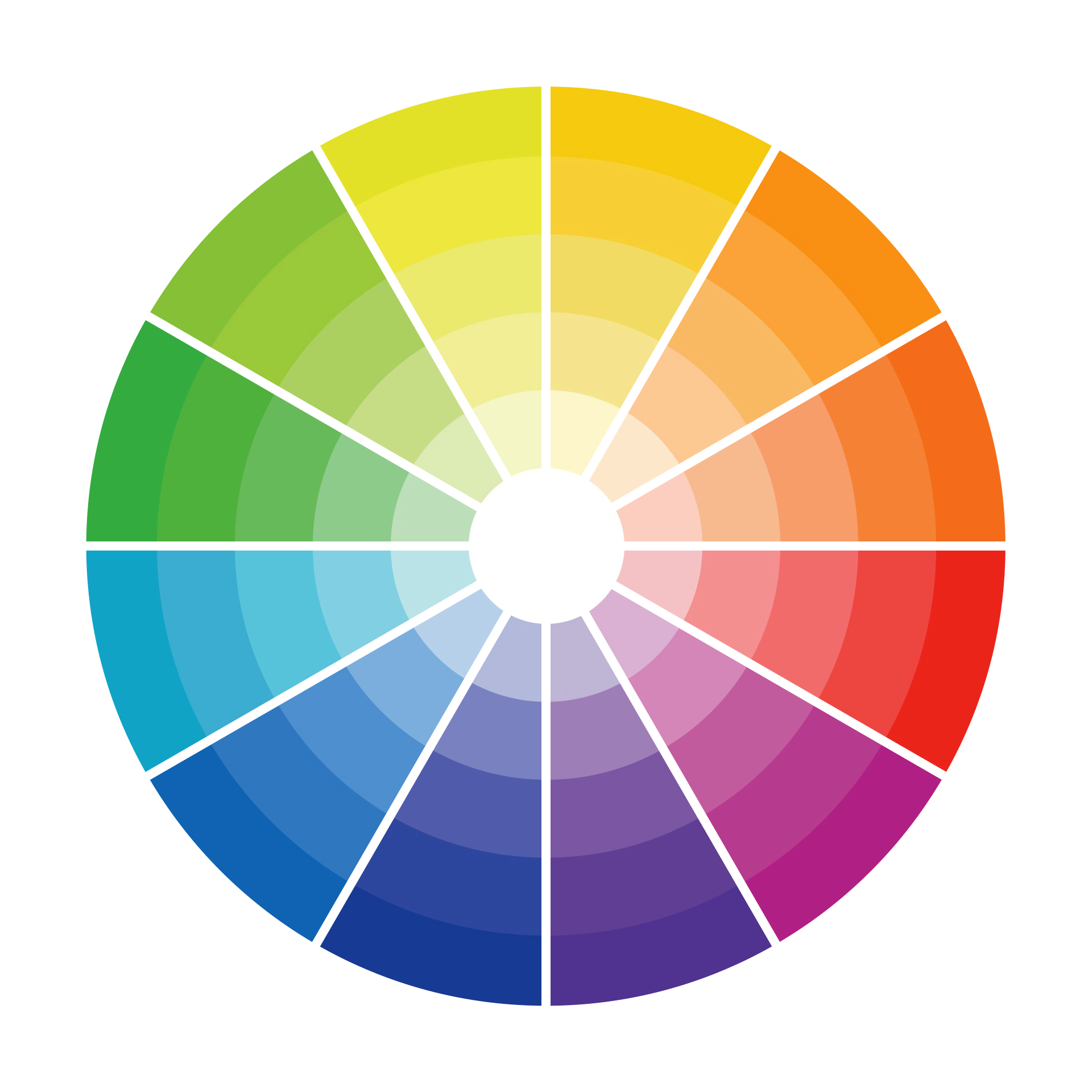
Useful color schemes:
- MONOCHROMATIC – shades from one color family
- COMPLEMENTARY – colors opposite one another
- ANALOGOUS – neighboring colors
- TRIAD – three evenly spaced colors
- TETRAD – two complementary pairs
- ACHROMATIC – black, white and gray
Choose a leading theme
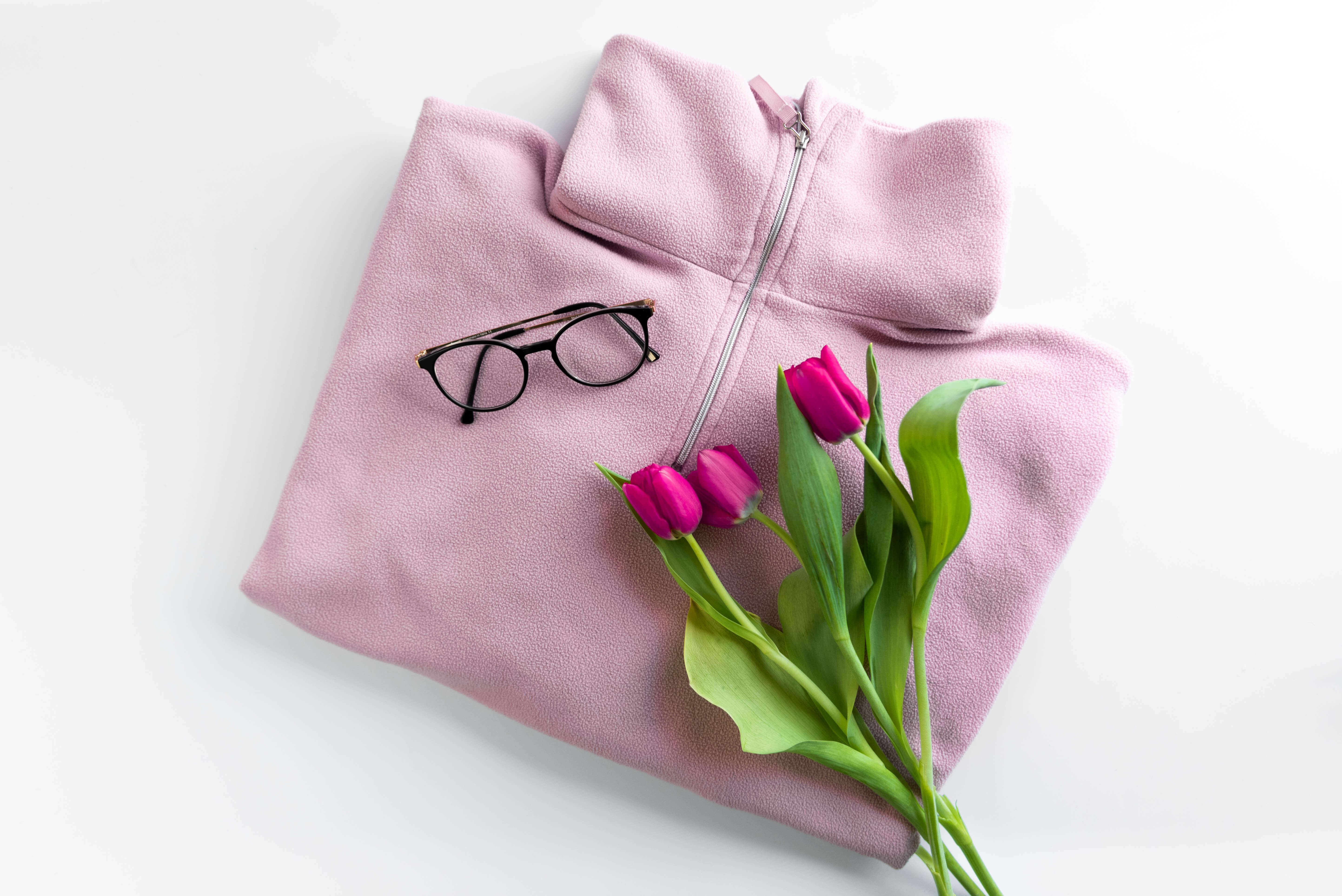
Pick one main object and build associations around it. Pasta may suggest tomatoes, basil, olive oil and Italy; a soft sweater may suggest leaves, tea, books and autumn.
Create a mood
Use color, props and texture to reinforce the emotional association around the main subject.
Do not forget composition
The rule of thirds works very well. Decide whether the composition should feel open, continuing beyond the frame, or closed, with all elements fully contained.

*Photo: Filip Kowalkowski, Quadralite ambassador*
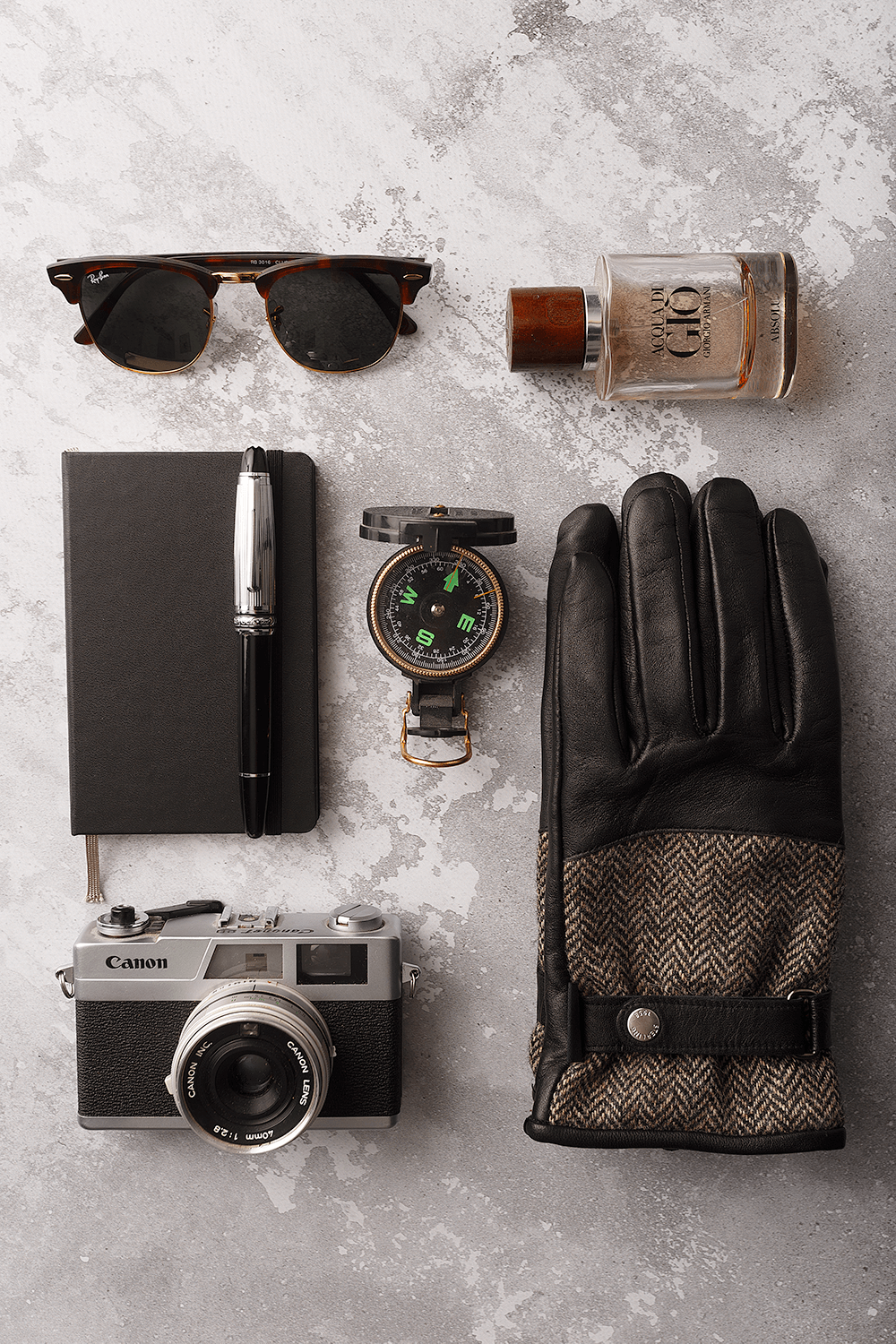
*Photo: Filip Kowalkowski, Quadralite ambassador*
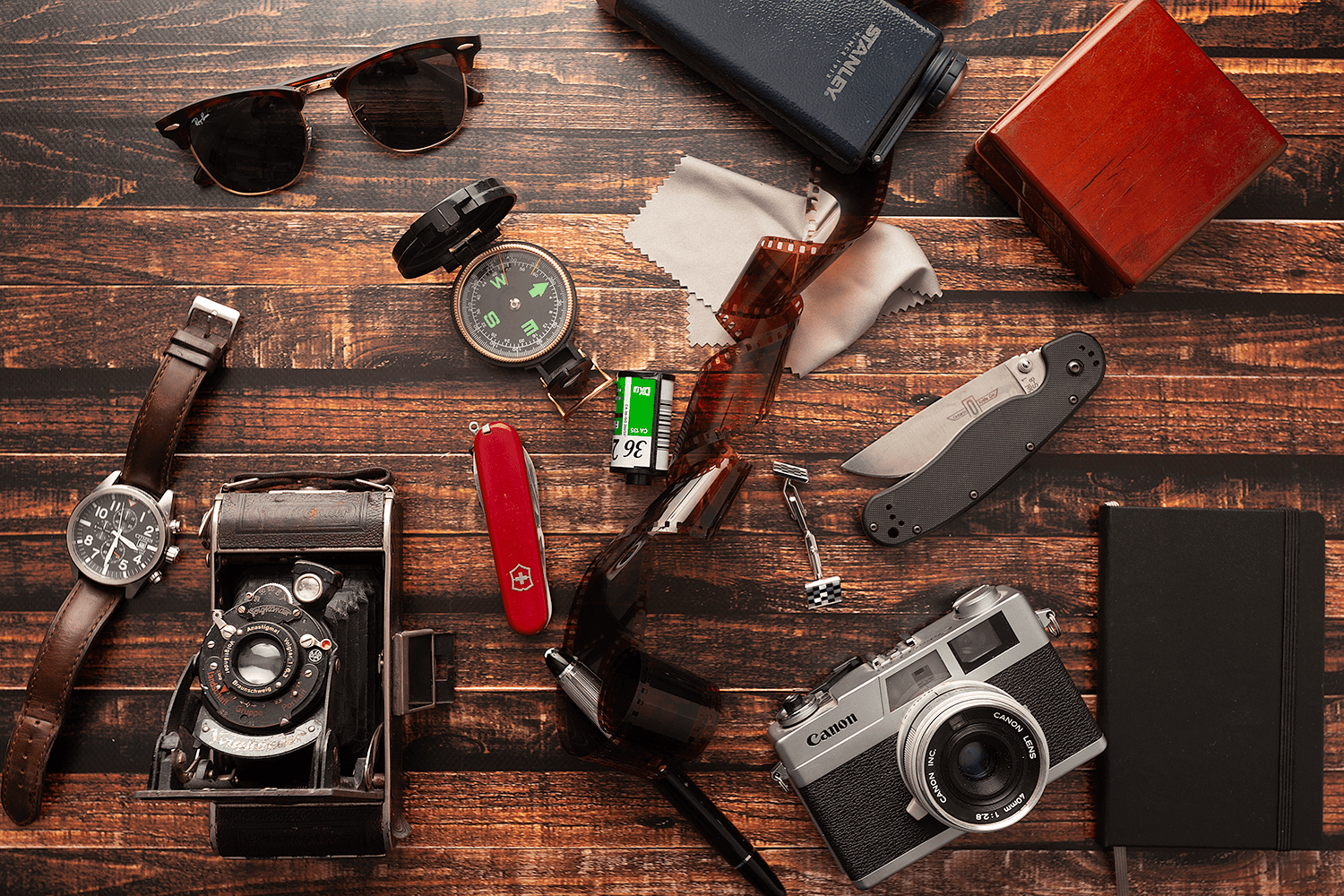
*Photo: Filip Kowalkowski, Quadralite ambassador*

*Photo: Filip Kowalkowski, Quadralite ambassador*
Take care of the light
Good light is essential. Daylight near a window is a great starting point. A reflector can bounce window light and fill shadows. The Quadralite 5-in-1 Reflector offers gold, silver, white, black and translucent surfaces for different effects.
A dedicated stand and reflector holder make positioning easier.
Add artificial light
A Quadralite Thea 120 LED panel can supplement daylight or become the main source when natural light is weak. Brightness and color temperature are adjustable, and because it is continuous light you can immediately see the effect of every change.
Without good light vs. with good light
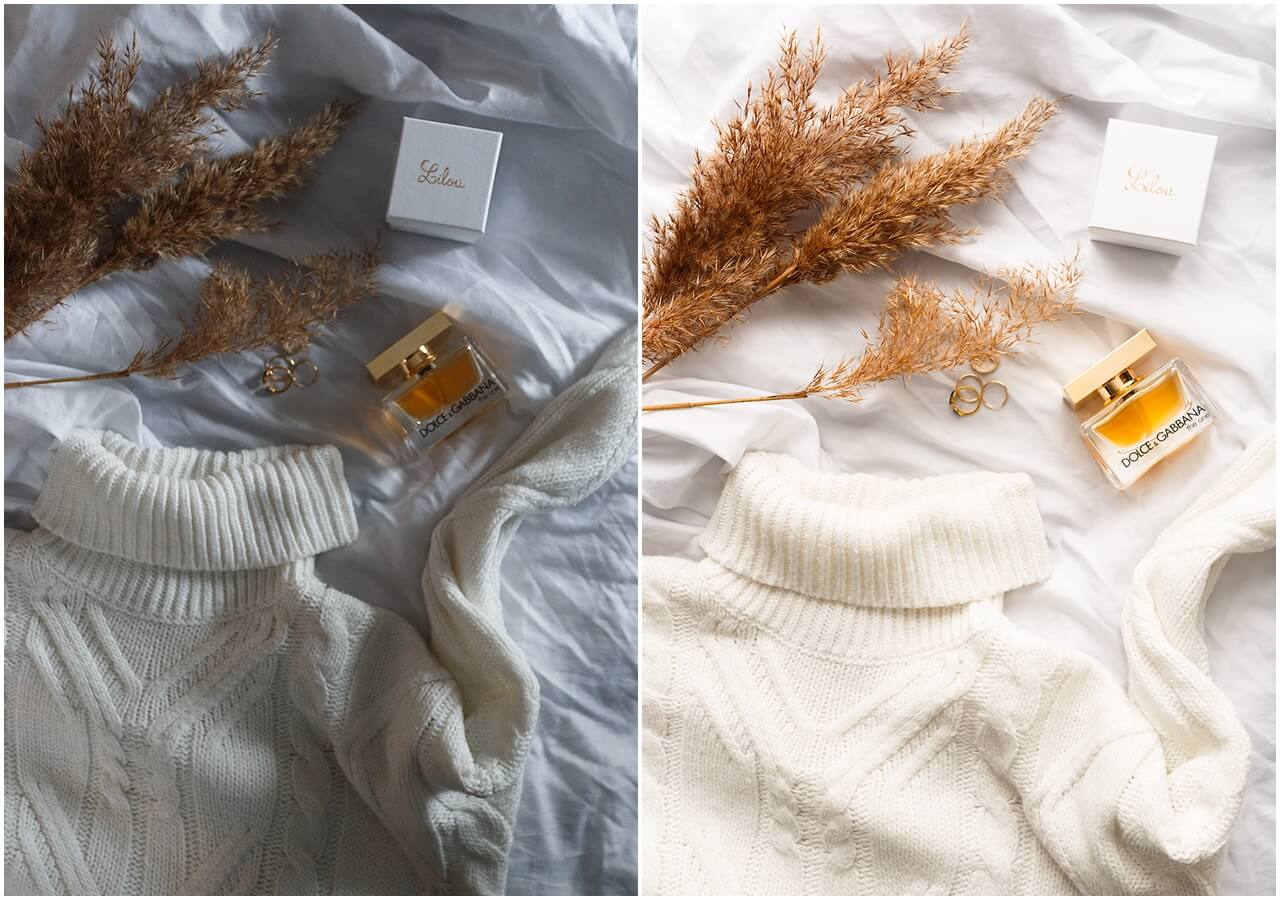
*Photo: Filip Kowalkowski, Quadralite ambassador*
Use manual smartphone camera settings
Manual or “Pro” mode gives control over shutter speed, ISO, exposure compensation, focus and white balance. There is no single correct setting, so test and compare.
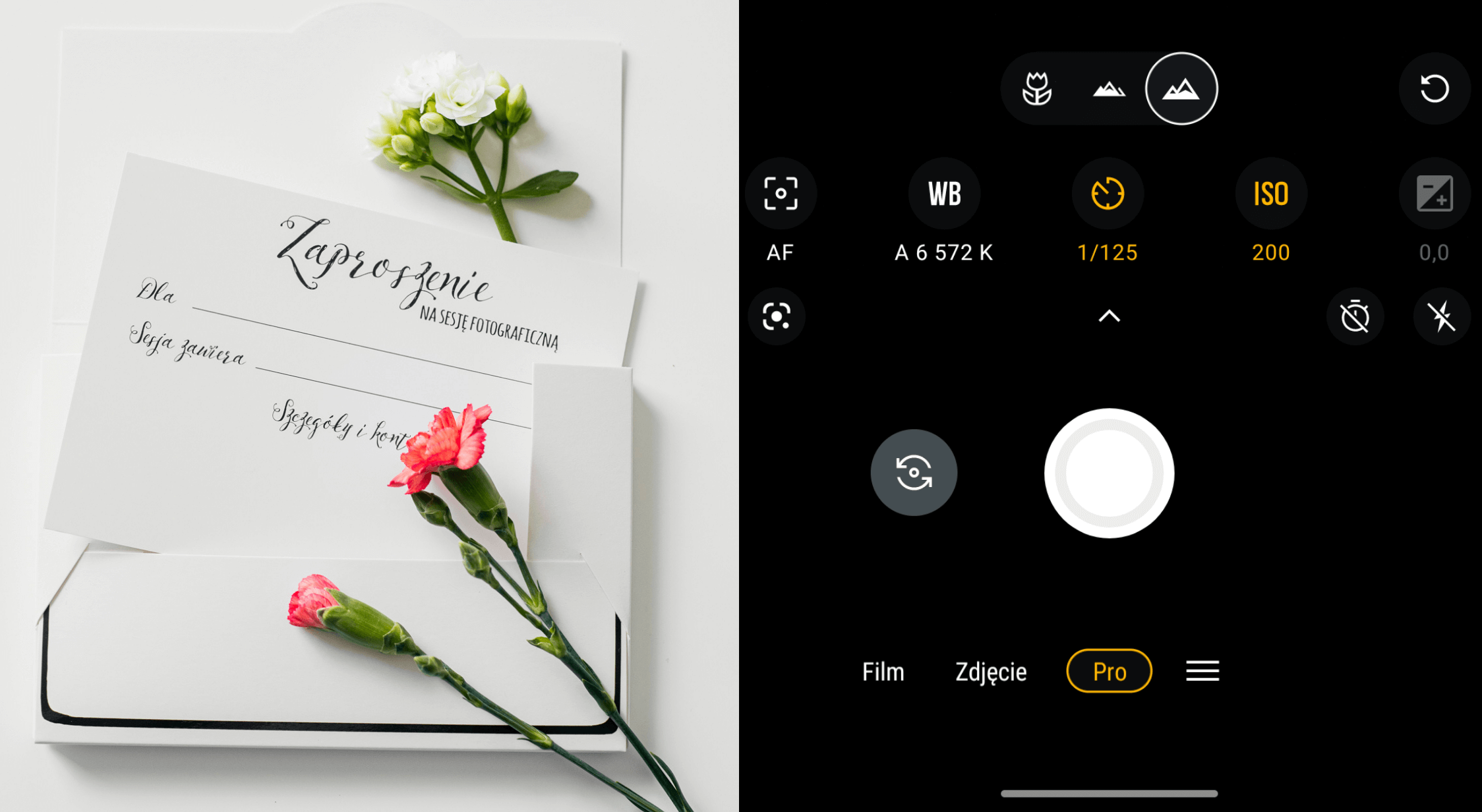
- Aperture affects brightness and depth of field.
- Shutter speed controls exposure time; slower values may require a tripod.
- ISO controls sensor sensitivity; low values such as 200–400 generally give cleaner product photographs.
Use layers and textures
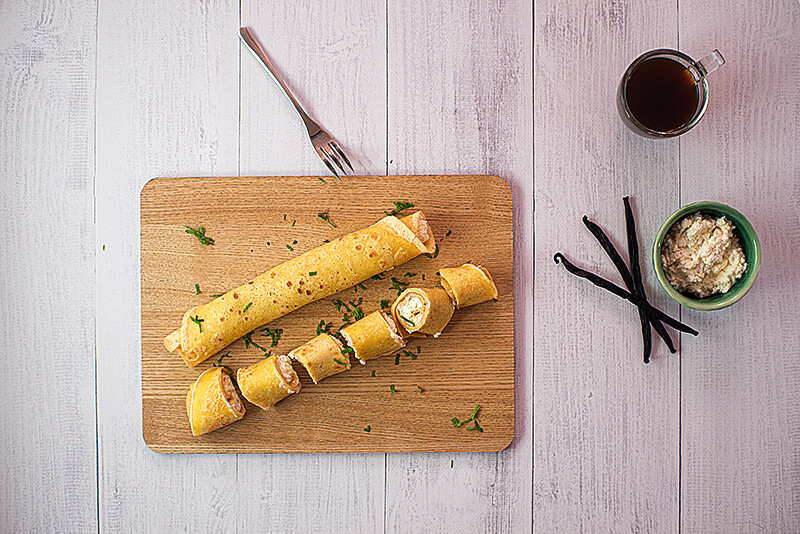
A cutting board, cloth, book, cup, sweater or other household object can add depth and atmosphere.
Use free software and apps
Simple post-production can improve sharpness, crop and color. Subtle filters are fine, but avoid overprocessing.
Have fun creatively
Flat lay is a form of visual play. Give yourself time, test different combinations and develop your own sense of style.
Join our workshop to learn more about creative product photography
Date: 21 April 2022
Time: 10:00–18:00
Studio Lit House, Sikorki 21c/4, Kraków
Price: PLN 399/person
During the workshop you will learn to light products, control reflections, use modifiers, prepare images for social media and understand flat-lay composition.